Hedge Trimming in Westminster

Hedge trimming in Westminster should do more than shorten overgrowth. It needs to keep planting neat, preserve the intended shape, and leave boundaries looking deliberate rather than hacked back. Our hedge trimming service covers routine cutting, seasonal shaping, and tidying of formal and informal hedges, with attention to the finish as well as the size reduction. The aim is a clean, even result that suits the planting type and the space around it.
We work with hedges that need ongoing maintenance as well as those that have been left for longer than planned. That can include light reduction, careful face trimming, height control, and restoring a hedge that has started to spread unevenly. For customers comparing options, the key is usually whether the work is just a tidy-up or a more involved re-shape. You can ask for a quotation once you know the level of work needed.
Because hedge work varies by species and season, the right approach is not always the same from one garden to the next. Some hedges respond well to frequent clipping, while others need a steadier hand to avoid exposing bare sections. We keep the service practical and focused on the visible result: clear lines, balanced density where possible, and a finish that sits neatly within the garden rather than overpowering it.
Regular hedge care and seasonal cutting

Many customers want hedge trimming as part of regular garden care, especially where the boundary needs to stay within a set height or width. Ongoing cutting keeps growth manageable and reduces the amount of corrective work needed later. It can also help maintain access along paths, driveways, and shared edges where encroachment quickly becomes inconvenient. If a hedge has a defined shape, consistent trimming is usually the best way to keep that shape clear.
Seasonal cutting may be more suitable where the hedge needs a stronger change in size or where growth has become uneven after a missed cycle. In those cases, the work needs judgement rather than a heavy one-pass cut. A careful trim can restore an orderly line, but the exact result depends on the hedge type and how much green growth is available. Garden maintenance can be a useful option for customers who want hedge work handled alongside other routine outdoor tasks.
When planning hedge trimming, it helps to think about the finish you want as well as the amount of growth to be removed. Fine shaping is different from reduction, and both differ from bringing a hedge back into line after a long gap. A sensible quotation should reflect that distinction, so the work is matched to the state of the hedge rather than treated as a one-size-fits-all job. Pricing and quotes may help you compare the scope before you decide.
Shaping, reduction and boundary control

Good hedge trimming is not only about cutting back the outside. It is also about retaining the intended profile so the hedge keeps its purpose as a boundary, screen, or feature. Some hedges suit straight lines and crisp corners, while others look better with a softer outline. The most suitable finish depends on the planting and the role the hedge plays in the garden, so the work should be adapted rather than rushed.
Boundary control is often the main reason people arrange this service. A hedge that leans outward can narrow a path or crowd a fence line, and overheight growth can block light or make a front garden feel untidy. Trimming can manage these issues without removing the hedge entirely. Where more substantial reshaping is needed, it is important to judge what can be cut back safely so the hedge remains healthy enough to respond well afterwards. Hedge trimming is the core service page for this work, while related garden tasks are set out in services overview.
For larger or more complex areas, a sensible plan usually starts with the most visible edges first: roadside faces, front boundaries, and any section that affects access. Once the main line is corrected, finer detailing can improve the final appearance. This is one reason hedge work is often best handled as a structured job rather than a quick pass with no clear order. The result should look intentional from the outside and tidy from within the garden too.
What affects the scope of hedge work
Several factors influence the amount of work involved, and they matter when you request a quotation. Hedge height, thickness, access, and the amount of cuttings generated all play a part. So does the current state of the hedge: a lightly overgrown line is very different from a hedge that has lost its shape altogether. In some cases the work is straightforward maintenance; in others it becomes a more involved restoration of the hedge’s outline.
It also helps to know whether the hedge is part of a mixed garden area. For example, a hedge beside beds, paving, decking or a lawn can take longer to finish neatly because the edges need to be handled with care. If the hedge forms part of a broader garden update, related work may be worth considering. Landscape gardening can be useful when the hedge is only one part of a wider change, while lawn mowing can support a cleaner overall finish around trimmed boundaries.
Preparation is usually simple. Clear access to the hedge, move light obstacles where practical, and make sure the main working area can be reached safely. If there are narrow entrances, surface changes or delicate plants close to the hedge, pointing them out early helps the work stay efficient. A short note about the hedge type, approximate length and the result you want is usually enough to start a useful quotation conversation. Request a quotation when you are ready to share the details.
Hedges near paths, front gardens and shared boundaries

Some hedge trimming jobs are mainly about presentation, but many are about practical use of space. Hedges beside pavements, steps, gates and driveways need a finish that leaves enough clear room for movement and sightlines. In front gardens, a tidy hedge can frame the property without hiding it. On shared boundaries, even cutting matters because one overgrown section can make the whole edge look neglected.
Trimming in these areas often benefits from a measured approach. It may be tempting to reduce a hedge as much as possible in one visit, but that is not always the best option if the plant needs to keep enough leaf area to recover well. A restrained cut can sometimes be preferable to a severe reduction. Where the hedge is part of the visual frontage, keeping the top line level and the faces consistent makes a noticeable difference. You can ask for a tailored quotation if the boundary needs particular care.
For customers who want hedge work to sit within a bigger garden plan, there can be value in grouping tasks together where suitable. A neatly trimmed hedge often looks best when the surrounding planting and lawn are also kept in order. That does not mean every job needs extras; it simply means the hedge should be considered as part of the full garden rather than as an isolated strip. Garden clearance is relevant where excess growth or debris has built up around the area.
From a light tidy-up to a fuller reshape
Not every hedge needs the same treatment, and that is why the service is best understood by outcome. A light tidy-up focuses on keeping growth under control and restoring a crisp outline. A fuller reshape is more suitable where the hedge has drifted away from its original form, with uneven heights or bulges that need gradual correction. Both approaches can be worthwhile; the right one depends on the hedge’s condition and the look you want to preserve.
Some customers are mainly concerned with routine presentation, while others need a hedge brought back into line after a period without attention. The difference matters because a hedge in recovery may need staged trimming rather than a single aggressive cut. This is especially true where one side receives more growth than the other or where the hedge has become broader at the base. In those situations, balance is often more important than speed. Landscaping can be helpful where hedge work is being considered alongside structural changes to the garden.
If you are unsure how much work your hedge needs, a simple description is usually enough to begin. The main things are the hedge location, approximate length, whether you want height reduced, and whether there are any tight access points. Clarity at the start helps the quotation reflect the real task rather than a rough guess. A concise enquiry is usually the quickest way to move from vague overgrowth to a workable plan.
About Westminster
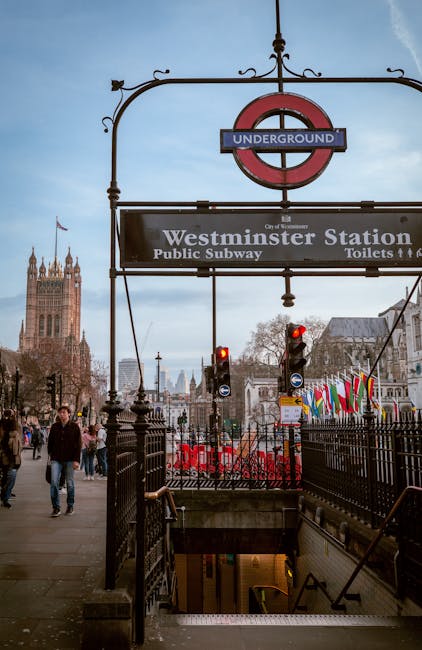
Westminster is one of London’s most recognisable central districts, shaped by centuries of political, religious and royal history. At its heart stands the Palace of Westminster, the seat of Parliament, beside the River Thames and close to Westminster Abbey, where coronations, royal weddings and state occasions have marked major moments in national life. The area’s civic importance gives it a strong architectural identity, with grand formal buildings, ceremonial routes and well-known public spaces such as Parliament Square. Yet Westminster is not only about government: it also contains established residential streets, hotel districts, transport links and some of the capital’s most visited cultural settings. St James’s Park lies to the west of the parliamentary core, providing open green space and a clear contrast with the surrounding stone and traffic. Nearby, Whitehall and Horse Guards Parade reflect the historic government quarter, while the broader City of Westminster borough also includes areas such as Mayfair, Paddington and Soho, each with a different character. The district has long combined national institutions with daily urban life, and its streets show layers of change from medieval, Georgian and Victorian development through to modern civic use. Westminster underground and rail connections make it one of the most accessible parts of central London, and the area remains closely associated with the public, ceremonial and administrative life of the country.
Cutting methods, finishing and hedge types

Different hedge types call for different cutting habits, and a careful finish depends on recognising that. Dense formal hedges usually benefit from clean, regular clipping that keeps the face even and the top line sharp. More informal hedges may suit a softer outline, with attention paid to removing stray shoots and keeping the bulk controlled without making the hedge look overworked. The method should suit the planting, not force every hedge into the same shape.
Finishing matters because it is what people see most clearly once the work is done. Straight runs should look straight, corners should look deliberate, and height changes should be gradual rather than abrupt. In some cases the final step is a light visual check rather than more cutting, because over-trimming can do more harm than good. Where hedges sit close to windows or entrance points, a tidy finish can make the whole frontage look more orderly without changing the character of the planting.
For customers comparing services, it can help to remember that hedge trimming is not the same as general garden tidying or tree work. It has its own requirements, especially where shape and density matter. If the hedge is mixed with larger woody growth, nearby shrubs or taller branches, those separate elements may need a different approach. The safest plan is to match the job to the plant, the setting and the visible result you want. That is often the best route to a neat, lasting finish.
Quotations, access and the next step
To request a quotation, it helps to describe the hedge in practical terms rather than only saying it needs trimming. The useful details are usually its approximate length, whether it needs height reduction, whether both sides are accessible, and whether there are nearby features that need care. Photos can be helpful for showing shape and density, but a clear written description also matters because it explains what outcome you want. About us gives a little more context if you want to understand the wider business before contacting us.
Access is another simple factor that can affect the job. If there are locked gates, narrow side passages or awkward corners, mentioning them early makes it easier to judge the amount of work involved. It is also useful to say whether the hedge runs along a boundary, sits within the main garden, or forms part of a frontage that needs a tidy visual line. These details help ensure the quotation is aligned with the actual task rather than a broad assumption.
When you are ready, send the hedge details and the area you want covered, and we can help you move towards a clear plan. If you would like to compare the service with other garden work, you can also review the main pages for related options. For a direct next step, contact us to request a quotation.